As a rental property owner, maximizing your Return on Investment (ROI) requires balancing proactive preservation with careful cost control. Few routine maintenance tasks trigger this dilemma quite as frequently as interior and exterior painting.
A fresh coat of paint can breathe new life into a tired apartment or home, instantly transforming it into a high-demand listing. However, painting too often can erode your profit margins, while painting too infrequently can repel high-quality tenants and depress your asset value. Deciding exactly when to break out the rollers requires looking past cosmetic preferences to analyze the operational, legal, and economic realities of property management.
Here are the five critical indicators that tell a property owner it is time to paint.
1. During the Normal Tenant Turnaround
The most logical and seamless window to repaint a property is between tenancies. Attempting to paint an occupied rental presents significant logistical headaches, requiring painters to move around personal furniture and forcing tenants to cope with fumes and disruptions to their living spaces.
When a property sits vacant, you have unrestricted access to inspect walls for structural damage, deep-seated stains, and drywall dings. While a complete repaint may not be necessary at every turn, doing so while the unit is empty avoids scheduling conflicts and tenant friction. If a tenant has occupied a unit for more than three years, scheduling a full interior repaint during the vacancy turn should be standard operating procedure.
2. Meeting Legal Lifespans and HUD Guidelines
Many landlords are surprised to learn that paint has a legally recognized financial lifespan. According to the Department of Housing and Urban Development (HUD), the useful life expectancy of professional interior paint in a rental property is typically three to five years.
This benchmark serves two major functions. First, it dictates tenant liability. If a tenant moves out after living in a unit for four years and the walls show standard scuffs, a landlord cannot legally charge the tenant for a repaint out of their security deposit, as the paint has reached the end of its natural lifespan. Second, staying close to this 3-to-5-year cycle ensures you stay ahead of deterioration, keeping your property looking competitive within local market standards.

3. Mitigating Long-Term “Normal Wear and Tear”
Legally, landlords are responsible for maintaining the property against “normal wear and tear,” while tenants are responsible for actual damage. Over time, even the most meticulous tenants will cause unavoidable deterioration: faded color from UV exposure, subtle furniture scuffs, and minor smudges in high-traffic corridors like hallways and kitchens.
If a tenant leaves after twelve months, a few minor scuffs generally warrant only a quick spot clean or a brief touch-up with matching paint. However, if the walls have developed widespread discoloration, uneven patches, or extensive scuffing that cannot be wiped away, it’s time to commit to a full coat to maintain the baseline integrity of your investment.
4. Facing Competitive Market Realities
Your rental property doesn’t exist in a vacuum; it competes against dozens of other active listings in your neighborhood. Today’s renters are highly discerning, browsing high-resolution digital galleries and virtual tours before ever booking a physical viewing.
Outdated paint colors (like deep, personalized accent walls or yellowed off-whites) or visibly weathered surfaces will directly hurt your leasing efforts. If your property has sat on the market for weeks without securing a qualified application, a modern, neutral repaint (such as a warm gray, soft alabaster, or crisp modern beige) can sharply accelerate your leasing velocity and validate a higher asking rent.

5. Protecting the Exterior and Boosting Curb Appeal
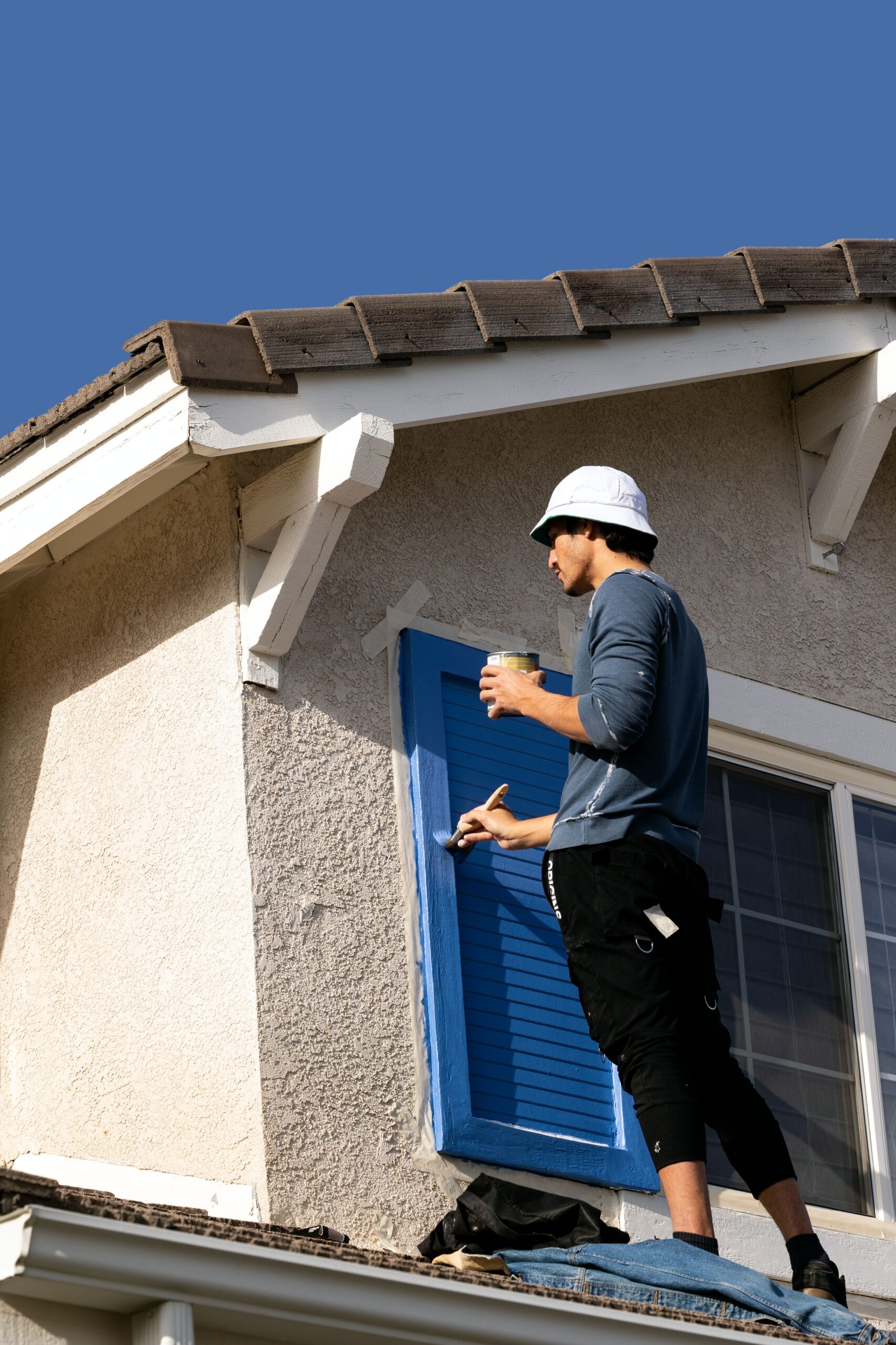
While interior painting centers on cosmetics and tenant satisfaction, exterior painting is fundamentally about structural asset protection. Wood siding, stucco, fascia, and trim are constantly exposed to moisture, intense sunlight, and temperature swings.
As a general rule, exterior surfaces should be professionally repainted every 5 to 7 years. Waiting until the paint is actively peeling, cracking, or blistering means you have waited too long. Exposed substrate allows moisture intrusion, leading to catastrophic rot, mold, and termite vulnerability. Investing in defensive exterior painting saves thousands of dollars in premature siding replacements down the road.

Conclusion: A Calculated Investment
Repainting your rental property shouldn’t be an emotional reaction or an afterthought. By sticking to a proactive schedule—evaluating every turn, targeting a full interior update every 3 to 5 years, and scheduling protective exterior coats every 5 to 7 years—you guard your structural equity and keep your cash flow strong. Treat paint as a strategic asset management tool, and your portfolio will reap the rewards.

Get A Property Management Quote
Why spend the time and money managing your rental property yourself? Let our Beaverton Oregon Property Management team manager your rental property for you! Learn more about our services by contacting us at (503) 646-9664 – Talk to a Live Person – Our office answers the phone 9 AM to 5 PM Monday through Friday – or click here to connect with us online.