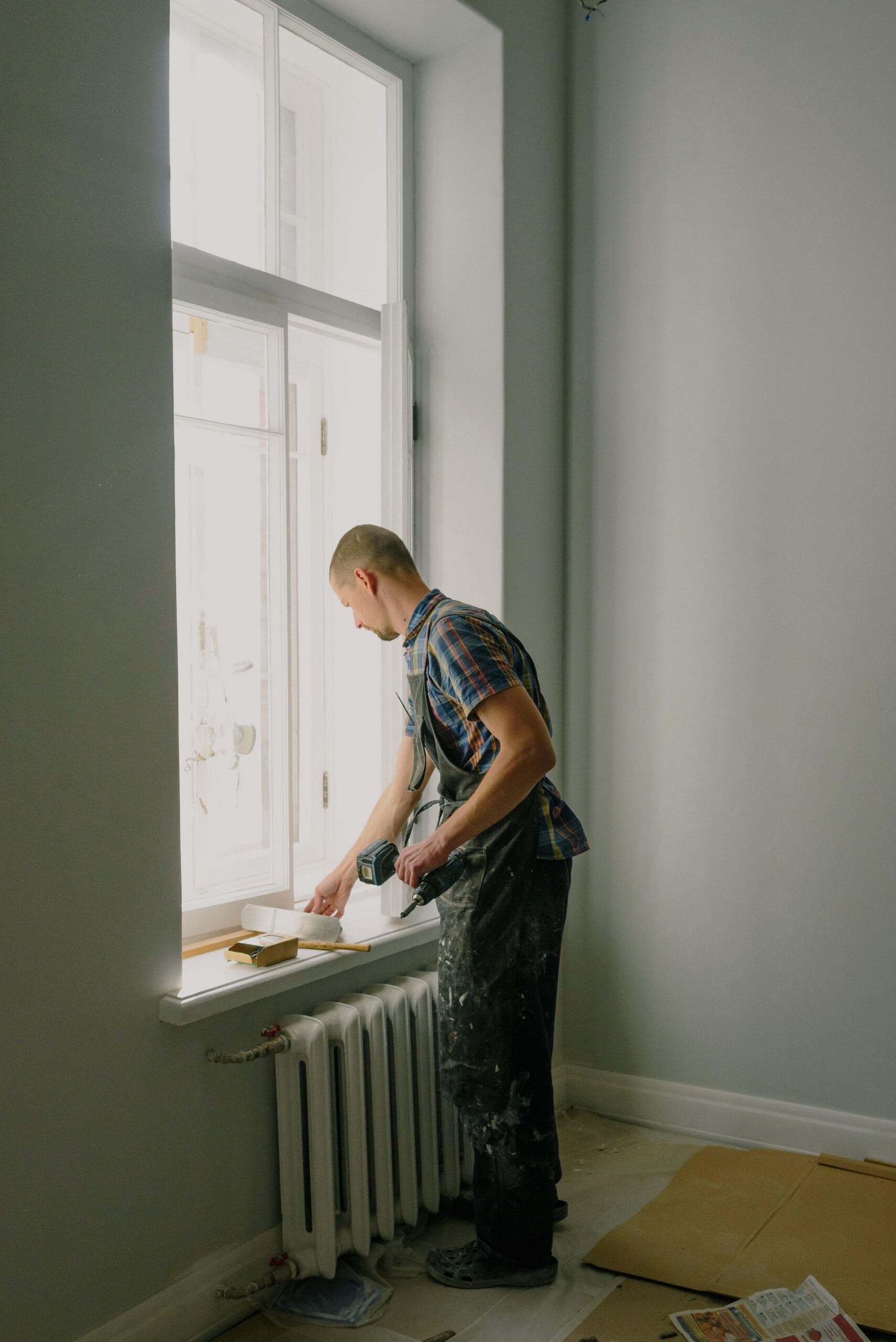
Painting is one of the highest-return investments you can make in a rental property. A fresh coat covers minor scuffs, eliminates odors, and signals to prospective tenants that the property is well maintained. However, painting between every tenancy is rarely necessary—and repainting while a tenant is in place can trigger unnecessary friction.
Knowing exactly when to roll on a fresh coat keeps your maintenance budget lean while protecting your property’s rental value.

The Natural Turnover Window
The most practical time to paint is during turnover. An empty unit eliminates the hassle of moving furniture, covering personal belongings, and scheduling around someone else’s daily routine.
While some landlords repaint between every tenant, standard practice dictates painting every three to five years for full interiors. If a tenant moves out after just 12 months and left the walls in good condition, a full repaint is rarely justified. In those cases, a targeted touch-up with matching paint and a magic eraser is usually enough to restore the space for the next lease.

When Normal Wear-and-Tear Becomes Damage
Property management laws differentiate between ordinary wear-and-tear and tenant-caused damage:
-
Wear-and-Tear (Landlord Responsibility): Minor scuff marks near baseboards, slight fading from sunlight, and tiny pinholes from picture frames are standard. Landlords must absorb these costs, and repainting every few years addresses them naturally.
-
Tenant Damage (Security Deposit Deductions): Heavy gouges, large drywall anchor holes, unapproved paint colors, heavy oil staining, or crayon marks across walls go beyond reasonable usage. In these situations, an immediate repaint—or at least extensive drywall repair and priming—is necessary before remarketing the unit, often paid for via deposit deductions.

Signs You Can’t Delay Painting Any Longer
Outside of the standard 3-to-5-year cycle, specific red flags signal that waiting is costing you money:
-
Persistent Odors: Odors from heavy cooking, pets, or tobacco smoke permeate drywall. A specialized stain- and odor-blocking primer (such as shellac- or oil-based Kilz or Zinsser) followed by two coats of durable latex paint is the only reliable way to neutralize lingering smells.
-
Moisture Damage or Peeling: High-humidity zones like bathrooms and kitchens frequently show signs of bubbling or peeling paint. Leaving peeling paint unaddressed allows moisture to penetrate the drywall core, inviting mold growth.
-
Outdated Colors Hurting Marketability: Accent walls in dark red, lime green, or beige can prolong vacancies. Neutral tones—warm whites, light grays, and greiges—brighten rooms, photograph better in online listings, and allow renters to envision their own furniture in the space.

Best Practices for Rental Painting
To maximize the lifespan of your paint job, choose your products strategically:
-
Use Eggshell or Satin for Living Areas: Flat paint is difficult to clean without burnishing, while high-gloss highlights wall imperfections. Eggshell or satin finishes offer the ideal middle ground: washable, durable, and clean-looking.
-
Keep Semi-Gloss for Trim and Doors: Baseboards, trim, and interior doors absorb the brunt of daily foot traffic and vacuum bumps. Semi-gloss resists chipping and wipes clean in seconds.
-
Standardize Across Units: Using the same neutral color and brand across your portfolio means leftover paint is never wasted and future touch-ups require zero guesswork.

Contact Us
At 4 Rent Local, we take pride in helping owners enjoy owning multifamily and single family rental properties without the hassle of managing their rental properties themselves. Learn more about the services that we can offer you by calling us at (503) 646-9664 – Talk to a Live Person – Our office answers the phone 9 AM to 5 PM Monday through Friday – or click here to connect with us online.
